
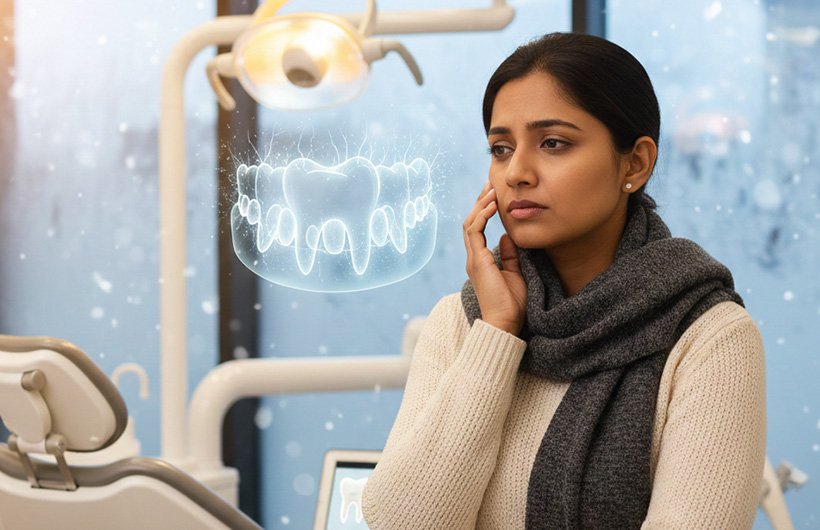
Winter Dental Care Tips: Protect Sensitive Teeth in Cold Weather
Winter is a beautiful season, but it can bring discomfort for those with sensitive teeth. Experiencing sharp pain when enjoying cold drinks, biting into certain foods, or stepping out into chilly air is common during this time. Tooth sensitivity often worsens in winter, making it essential to understand its causes and care.
At our Dental Clinic in Ahmedabad, we help patients manage winter tooth sensitivity effectively. In this blog, we’ll discuss why teeth become more sensitive in cold weather, tips to protect them, and when it’s important to visit a dentist like Dr Stuti Bajaj for professional care.
Why Do Teeth Become Sensitive in Winter?
Cold air can trigger tooth sensitivity because your teeth react to temperature changes. Here’s why this happens:
- Enamel becomes weak: Enamel is the hard outer layer of your tooth. Cold temperatures can cause it to contract slightly. If your enamel is already thin or damaged, the cold can reach the inner layer called dentin, which contains sensitive nerves.
- Gum recession: When gums pull back from the teeth, the roots get exposed. These roots don’t have enamel, so they are more sensitive to the cold.
- Existing dental issues: Cavities, cracked teeth, worn-out fillings, and grinding habits can all increase sensitivity during winter.
- Dry mouth in winter: Cold weather reduces saliva production. Less saliva means less protection for teeth.
These changes make your teeth more reactive, which is why many people search for cold-weather tooth sensitivity solutions during the winter months.
What Are the Signs of Winter Tooth Sensitivity?
You may have winter tooth sensitivity if you notice:
- Sharp pain when breathing in cold air
- Discomfort when drinking hot or cold beverages
- Sensitivity while brushing or flossing
- Pain when eating sweet or sour foods
- Occasional throbbing in one or more teeth
If these symptoms continue for several weeks, it’s a good idea to consult a Specialist like Dr Stuti Bajaj, who can diagnose the exact cause.
How to Protect Sensitive Teeth in Winter?
If you’re wondering how to protect sensitive teeth in winter, here are simple, effective tips:
1) Use a desensitising toothpaste
This type of toothpaste blocks nerve signals in the tooth. Use it twice a day for best results.
2) Switch to a soft-bristle toothbrush
Hard bristles can scrape the enamel and make sensitivity worse. Soft bristles clean effectively without causing damage.
3) Avoid brushing too hard
Gentle brushing protects your gums and stops them from receding further.
4) Don’t rinse after brushing
Spit out the toothpaste but avoid rinsing with water immediately. This helps the toothpaste work better.
5) Limit acidic foods
Foods like lemons, lime, soda, and vinegar can weaken tooth enamel.
6) Stay warm
Cover your mouth with a scarf when you go outside. This prevents cold air from directly hitting your teeth.
7) Use fluoride mouthwash
Fluoride strengthens enamel and reduces sensitivity.
8) Avoid teeth grinding
If you grind your teeth, especially at night, ask your dentist about getting a mouthguard.
These tips make winter oral care for sensitive teeth much easier and more effective.
What Home Remedies Help Sensitive Teeth in Winter?
Many people look for sensitive teeth remedies for winter that they can try at home. Here are the safest options:
Warm saltwater rinse
Mix half a teaspoon of salt in warm water and rinse your mouth. It reduces inflammation and soothes gums.
Clove oil
Cloves have natural pain-relief properties. Apply a little diluted clove oil to the affected tooth using a cotton swab.
Warm compress
Applying a warm cloth to your cheek can help ease discomfort caused by a cold.
Hydration
Drink enough water to keep your mouth moist. Winter dryness increases sensitivity.
Green tea rinse
Green tea has natural minerals that strengthen teeth and reduce sensitivity.
These remedies can help temporarily, but they do not replace professional dental care.
When Should You See a Dentist for Sensitive Teeth?
If you experience tooth sensitivity, it’s important to consult a dentist under the following conditions:
- Sensitivity persists for more than two weeks
- Pain intensifies in cold weather
- Swelling appears in the gums
- You notice cracks, chips, or cavities in your teeth
- Home remedies or special toothpaste fail to provide relief
Dr Stuti Bajaj can identify whether your sensitivity is caused by enamel erosion, gum recession, cavities, or other dental issues. Depending on the underlying cause, she may suggest treatments such as fluoride applications, desensitising gels, dental bonding, or gum therapy.
Seeking professional care early not only alleviates discomfort but also prevents minor sensitivity from developing into a more serious dental problem. This highlights one of the key benefits of regular dental check-ups, ensuring your teeth and gums remain healthy and problems are addressed promptly.
Conclusion
Winter often makes tooth sensitivity more noticeable, but the right care can keep your teeth healthy and comfortable throughout the season. Using desensitising toothpaste, brushing gently, limiting acidic foods, and following simple home remedies can significantly relieve tooth sensitivity. However, if the discomfort continues, it’s best to consult a trusted Dentist in Ahmedabad for proper evaluation and long-term relief. Prioritise your oral health this winter and enjoy a confident, pain-free smile all season.
